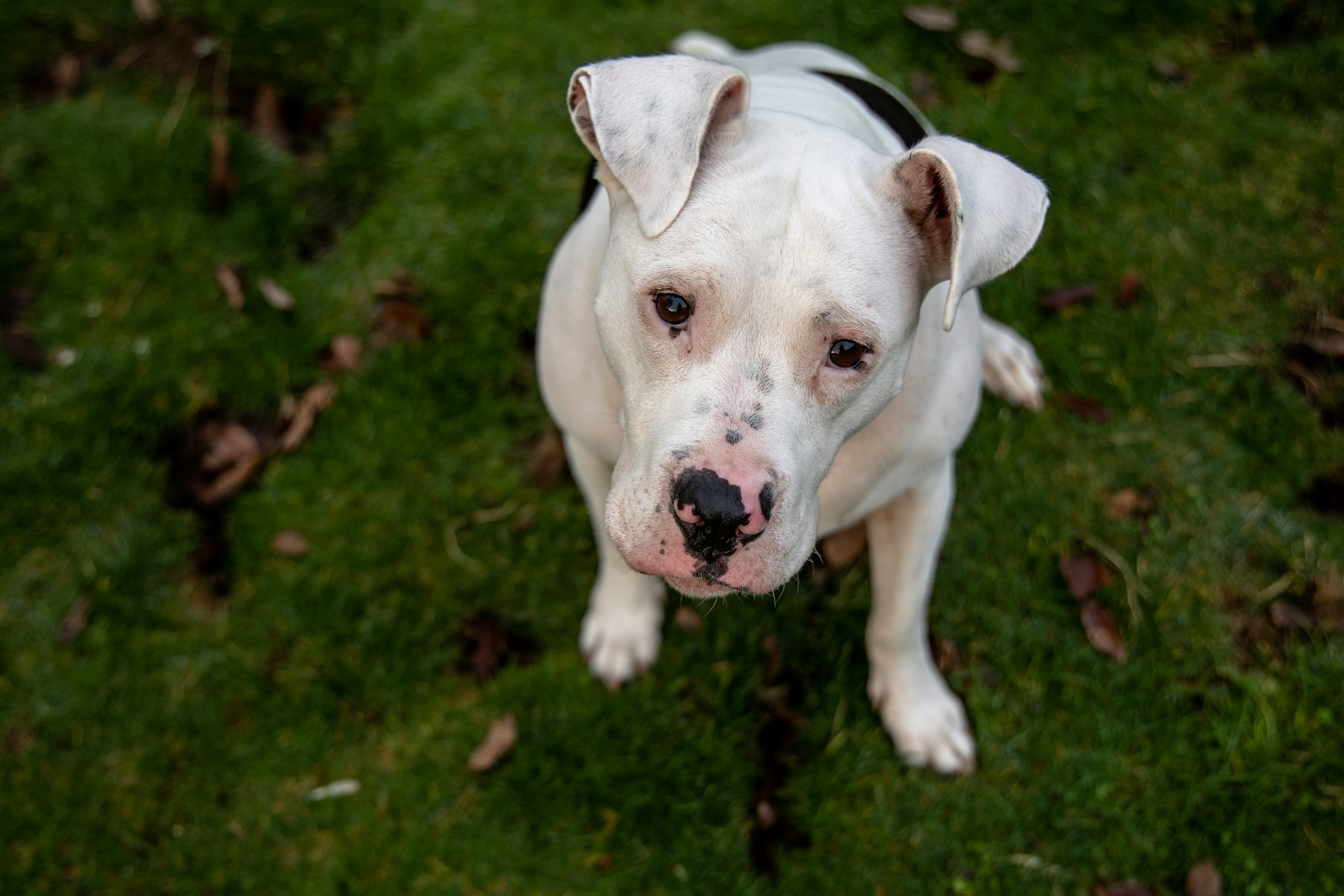
Pit Bulls can be affectionate, athletic, deeply loyal dogs, but they usually do best when life is structured and expectations are clear. For owners in Pittsburg, raising a well-adjusted dog often comes down to the basics done consistently: daily routine, early socialization, steady training, enough exercise, and regular veterinary care.
That matters even more with a strong, energetic dog. A Pit Bull does not need harsh handling or constant correction, but this is not a breed type to leave on autopilot either. The goal is to channel that energy into good habits, calm behavior, and a dog you can comfortably live with at home and out in the community.
Basic obedience is part of that picture, but it is not the whole picture. A well-raised Pit Bull also needs leash manners, healthy outlets for energy, household boundaries, and check-ins with a veterinarian who can help catch medical issues before they affect behavior or quality of life.
Start with routine and structure
Pit Bulls often thrive when their day feels predictable. Feeding at regular times, walking on a steady schedule, using the same cues, and sticking to the same house rules can make a big difference. Dogs that know what to expect are usually easier to train and easier to settle.
That structure should start early, whether you are bringing home a puppy or adopting an older dog. Decide where the dog sleeps, where meals happen, whether furniture is allowed, and how greetings should work. Mixed messages tend to slow training down. If one person encourages jumping and another corrects it, the dog is left guessing.
Crate training can also help, especially during the adjustment period. A crate should not be used as punishment. It should feel like a safe, quiet place to rest, decompress, and take a break from too much stimulation.
Socialization should be calm and thoughtful
Good socialization is not about exposing a dog to everything all at once. It is about helping the dog experience new people, places, sounds, and situations in a way that feels manageable.
For Pit Bull puppies, that might mean short car rides, neighborhood walks, friendly visitors, handling of paws and ears, and well-run training classes. For adult rescues, it often means slowing down and watching body language more carefully. Not every dog needs to greet every stranger or every dog they see. In many cases, the better goal is neutrality.
A well-socialized dog can notice something new without panicking, lunging, or getting overly excited. That matters in everyday settings, whether you are walking through your neighborhood, passing dogs on a sidewalk, or spending time in busier outdoor areas around Pittsburg.
It also helps to remember that dog sociability is not one-size-fits-all. Some Pit Bulls enjoy other dogs. Others do better with select companions or more personal space. Responsible ownership means learning the dog in front of you, not forcing a personality that is not there.
Exercise matters, but mental work matters too
A Pit Bull with too little exercise will often find an outlet on their own, and owners usually do not love the result. That can look like leash pulling, chewing, barking, pacing, rough play, or general restlessness.
Daily walks are a good start, but physical exercise alone is not always enough. Many Pit Bulls also benefit from tug with rules, fetch, scent games, food puzzles, and short training sessions that make them think. A focused ten-minute session on impulse control or calm behavior can be just as valuable as extra physical activity.
It is also important not to make every outing high energy. Some dogs need help learning how to come down after excitement. A healthy routine usually includes active time, training time, and real downtime. Teaching a dog how to settle is part of raising a stable adult.
During warmer stretches in Pittsburg, watch for heat and hot pavement. A muscular, enthusiastic dog may keep going long after they should be taking a break. Shorter walks, water breaks, and outings earlier or later in the day are often the safer choice.
Training should be clear, calm, and consistent
Pit Bulls usually respond best to training that is firm, fair, and reward-based. These dogs often enjoy working with their people, but they notice inconsistency fast. Clear timing and repetition generally work better than intimidation.
Start with practical life skills. Loose-leash walking, waiting at doors, settling on a mat, coming when called, leaving items alone, and greeting people politely are often more useful than fancy tricks. A dog that can stay composed at the front door or walk past distractions calmly is easier to live with and safer to handle.
Keep sessions short enough that the dog stays engaged. If something is not going well, lower the difficulty instead of drilling the same mistake. If leash pulling starts near other dogs, for example, create more distance and reward calm behavior before the dog tips into overexcitement.
Owners should also take strength, prey drive, and excitement seriously. That is not an attack on the breed. It is part of responsible management. Use secure equipment, be careful with off-leash decisions, and do not assume that a loving dog at home will automatically make perfect choices in every outside setting.
Veterinary care supports behavior and overall wellness
Sometimes a dog that seems stubborn, hyper, or reactive is dealing with discomfort. That is one reason regular veterinary care matters so much. Behavior, health, and daily comfort are often connected.
Skin problems are common in many Pit Bull-type dogs. Itching, licking, ear irritation, redness, and recurring hot spots can all point to allergies, parasites, infection, or environmental triggers. These issues are not minor if they are affecting how the dog feels day to day. A dog that is uncomfortable all the time may also be more distracted, restless, or short-tempered.
Weight management is another big piece of the puzzle. Pit Bulls are athletic dogs, but they can gain weight more easily than some owners expect if exercise drops and food intake stays the same. Extra weight can affect joints, stamina, and long-term comfort.
Routine vet visits also help with preventive care, parasite control, vaccines, dental health, and early discussions about behavior concerns. A local vet clinic in Pittsburg can be especially helpful if your dog has ongoing skin trouble, repeat ear infections, digestive problems, limping, or anxiety that is starting to affect daily life.
Good family dogs are built with management
Many Pit Bulls are deeply affectionate with their families and want to be included in everything. Even so, strong dogs still need management. A sweet personality does not replace supervision or training.
Children should be taught how to respect the dog’s space, avoid rough teasing, and leave the dog alone during meals or rest. Adults should supervise closely, especially when the dog is young, excitable, or still adjusting to the home. Good family dogs are usually the result of good habits on both sides.
Simple management tools can prevent a lot of trouble before it starts. Baby gates, indoor leashes when needed, separate feeding spaces in multi-pet homes, and quiet decompression time after exciting events are all normal, useful strategies. They are not signs that something is wrong. They are part of setting a dog up to succeed.
Know when to get extra help
If your Pit Bull is showing intense leash reactivity, repeated conflicts with other dogs, guarding behavior, fearfulness, or trouble settling down, it is smart to get help sooner rather than later. Unwanted habits usually become harder to change with time.
A qualified trainer can help with a practical behavior plan and better handling skills. A veterinarian should also be involved if the behavior change is sudden or seems connected to pain, skin disease, digestive upset, or chronic stress.
For Pittsburg owners, the most effective approach is usually steady, realistic care, not quick fixes. A well-adjusted Pit Bull is shaped by daily repetition, clear boundaries, appropriate exercise, and attention to health.
The takeaway is simple: raise the dog in front of you with consistency and respect. Meet physical and mental needs every day. Stay proactive about veterinary care. Train for real life. When that foundation is in place, Pit Bulls can be rewarding, capable companions that are a pleasure to live with.