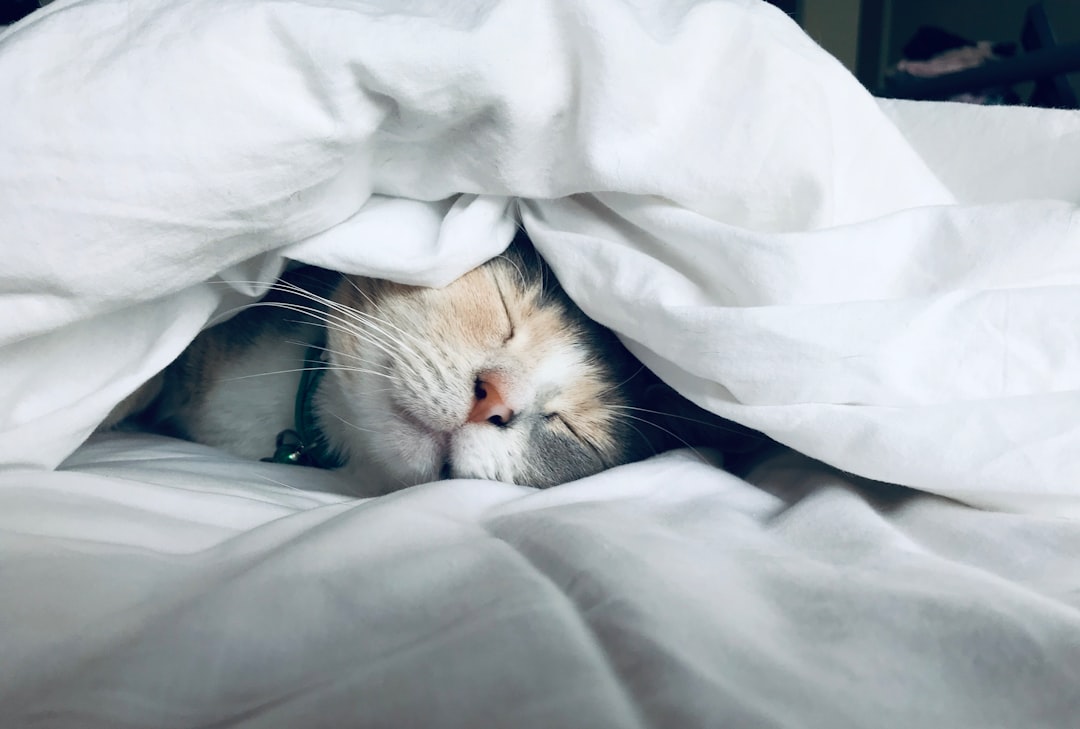
Persian and Himalayan cats are known for their calm personalities, plush coats, and unmistakably flat faces. They are also breeds that need a little extra health awareness. In Pittsburg, owners often notice small changes first, more water drinking, worsening tear stains, bad breath, or a cat that suddenly seems less interested in dry food. Those details can be easy to dismiss, but in these breeds they are worth paying attention to.
Four problems come up often enough that Persian and Himalayan owners should know the warning signs: chronic kidney disease, polycystic kidney disease (PKD), dental crowding linked to their facial structure, and ongoing eye discharge or tear overflow. Not every cat will develop these issues, but the breed tendencies are real enough that early attention can make a meaningful difference.
Why Persian and Himalayan cats need closer monitoring
Persians and Himalayans share a short-faced, brachycephalic head shape. That look is part of their appeal, but it can also affect how the teeth fit together and how well tears drain from the eyes. Over time, that can lead to mouth problems, chronic staining around the eyes, and facial irritation that owners may come to see as normal.
These breeds also have a known association with inherited polycystic kidney disease. On top of that, they can still develop chronic kidney disease later in life, just as many older cats do. The main takeaway is simple: if your Persian or Himalayan starts showing subtle changes, it is better to bring them up with a veterinarian than to assume it is just part of the breed.
Chronic kidney disease often starts with subtle changes
Chronic kidney disease, or CKD, is one of the most common long-term health problems seen in cats. The tricky part is that it usually develops gradually. Early signs are easy to miss, especially in a quiet indoor cat with a steady routine.
Owners may notice that the water bowl needs refilling more often or that the litter box seems wetter than usual. Some cats lose weight even before appetite drops much. Others become pickier with food, sleep more, groom less, or seem less interested in jumping and playing.
In a Pittsburg home, those shifts can blend into everyday life if they happen slowly. Still, increased thirst, increased urination, weight loss, vomiting, poor appetite, or a dull coat should not be brushed aside in a Persian or Himalayan cat. Kidney disease does not always have one single cause, but catching it earlier usually gives your veterinarian more options for supportive care and monitoring.
PKD is inherited and different from ordinary kidney decline
Polycystic kidney disease is not just another name for kidney failure. It is an inherited condition seen especially in Persian cats and related breeds, including Himalayans. Cats with PKD develop fluid-filled cysts in the kidneys, and those cysts can slowly damage normal kidney tissue over time.
One reason PKD is important to discuss is that an affected cat may look perfectly healthy for years. When symptoms do appear, they can look a lot like other kidney problems, including increased drinking, increased urination, weight loss, reduced appetite, vomiting, and lower energy.
If you own a Persian or Himalayan, especially one with an unclear family history, it is reasonable to ask your veterinarian whether PKD should be considered. Depending on your cat's age and symptoms, that conversation may lead to bloodwork, urinalysis, blood pressure checks, or imaging such as ultrasound.
Some cats with PKD stay stable for quite a while with monitoring and supportive care. Others decline faster. Either way, earlier recognition gives you a better chance to protect hydration, nutrition, and quality of life.
Dental crowding can lead to chronic mouth pain
Flat-faced cats often have less room for their teeth to sit normally. In Persians and Himalayans, that can mean crowded teeth, awkward tooth angles, and bite alignment issues that make the mouth harder to keep clean.
That matters because crowded teeth trap plaque and food more easily. Over time, this can contribute to tartar buildup, gum inflammation, infection, pain, and tooth loss. Cats are good at hiding dental pain, so many will keep eating long after their mouths have become uncomfortable.
Bad breath is one of the most common early signs. Owners may also notice dropping food, chewing on one side, reluctance to eat kibble, pawing at the mouth, visible tartar, red gums, or a cat that approaches the food bowl and then backs away after a few bites.
Dental disease can be especially hard on cats already dealing with kidney issues, since appetite and hydration matter so much in long-term kidney care. Regular dental exams are not just an extra for these breeds. They are an important part of preventive care.
Eye discharge is common, but it is not always harmless
Many Persian and Himalayan owners are used to seeing damp fur, tear staining, or mild discharge around the eyes. Because it is so common in flat-faced cats, it can start to feel like a cosmetic issue and nothing more. Sometimes it is mild. Sometimes it is a sign that the eyes or surrounding skin need more attention.
The facial structure in these breeds can interfere with normal tear drainage, which leads to tear overflow and chronic moisture on the face. That moisture can irritate the skin and create a cycle of staining, buildup, and discomfort.
If the discharge becomes thicker, more frequent, yellow or green, or comes with redness, squinting, pawing at the face, or one eye held partly closed, it is time for a veterinary exam. Those signs suggest something beyond routine tear overflow.
Gentle cleaning at home may help keep the face more comfortable, but it is not a substitute for an exam if the eyes look inflamed or painful. Flat-faced cats can also be more prone to corneal irritation because of the way the eyes sit and how the eyelids contact the eye surface.
What to watch for at home
You do not need to monitor your cat obsessively. The goal is steady, practical observation. Notice changes in water intake, urine output, body weight, appetite, breath odor, chewing habits, and eye appearance.
If your cat already has some tear staining, pay attention to whether it is getting worse or changing in appearance. If your cat has always been selective about food, ask yourself whether that seems like preference or whether chewing now looks uncomfortable.
It can also help to keep a short note on your phone when symptoms start and whether they are becoming more frequent. That kind of detail is often more useful during a vet visit than trying to remember when things began.
When to schedule a vet visit
For Persian and Himalayan cats in Pittsburg, it is smart to schedule an exam if you notice any of the following:
- increased thirst or urination
- weight loss
- poor appetite or vomiting
- bad breath or visible tartar
- difficulty chewing
- worsening eye discharge
- squinting, redness, or signs of eye pain
- a change in energy level or grooming habits
These signs do not automatically mean CKD, PKD, dental disease, or a serious eye problem. They do mean your cat deserves a closer look.
A practical takeaway for Pittsburg owners
Persian and Himalayan cats have a lot to love, but they also come with a few breed-related health risks that should not be ignored. Kidney disease can be easy to miss early. PKD can stay hidden for years. Dental crowding can cause real pain long before a cat stops eating. Eye discharge may be common, but that does not always mean it is harmless.
If your cat is drinking more, losing weight, developing worse breath, or showing more tearing and facial irritation than usual, a veterinary exam is the right next step. For Pittsburg owners, early attention is often the best way to keep these cats comfortable and catch problems before they become much harder to manage.